Casa da Vila Matilde — ou da Dona Dalva — de Terra e Tuma Arquitetos
Dez anos depois, uma nova leitura e algumas considerações sobre um dos ensaios fotográficos mais emblemáticos.
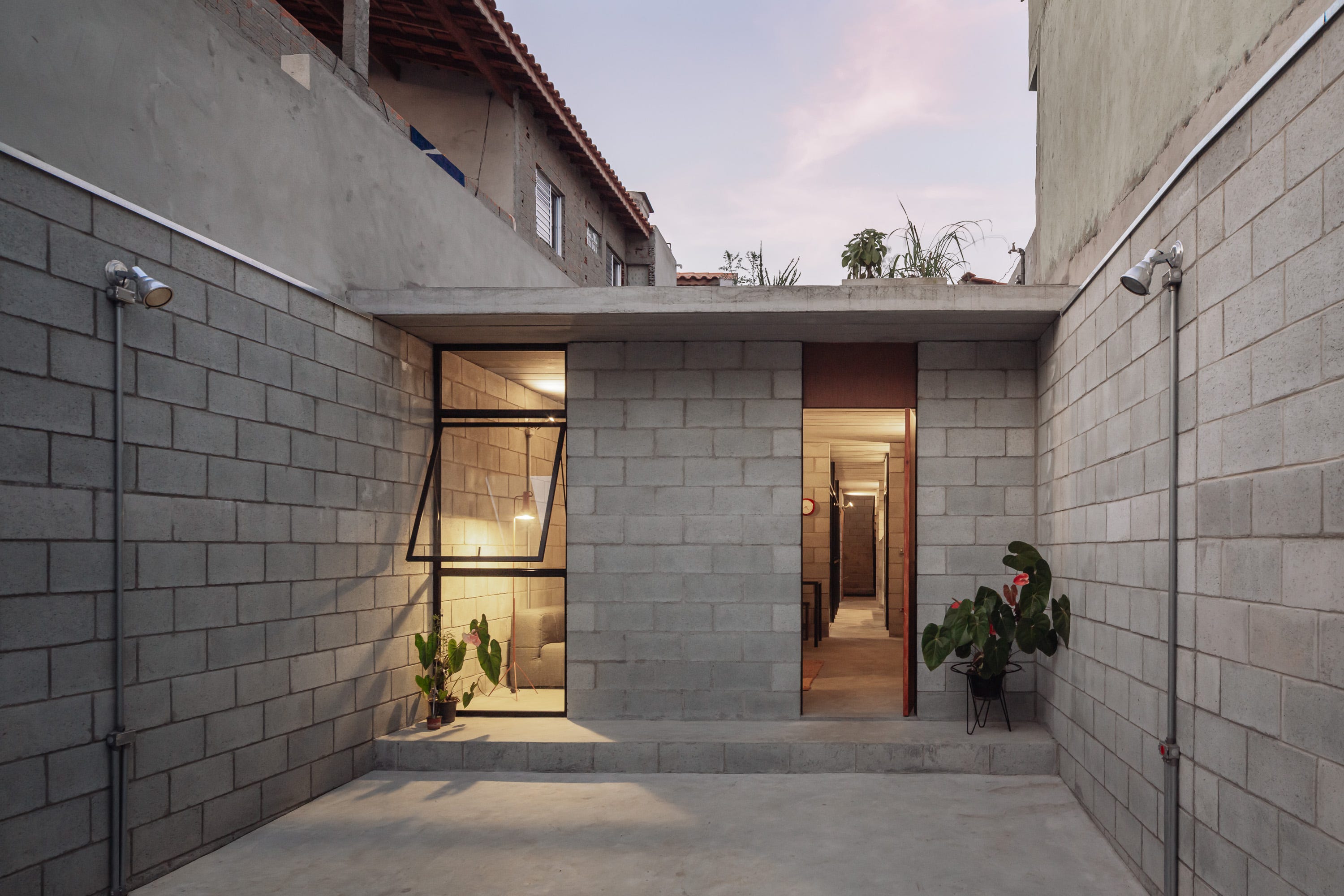
Uma vez por mês, retomarei um ensaio fotográfico do meu arquivo, comentando e ampliando o contexto em que foi produzido e publicado.
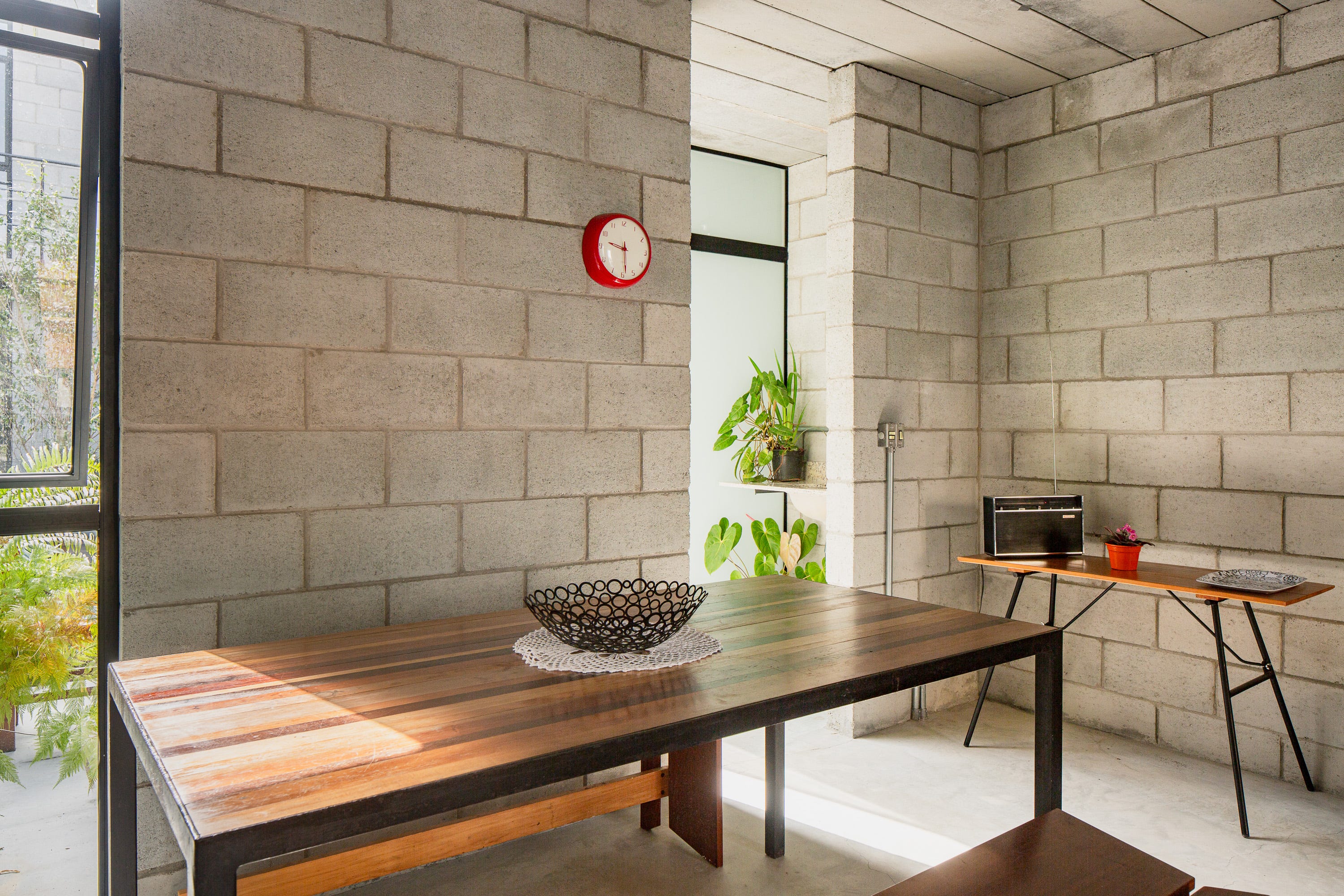
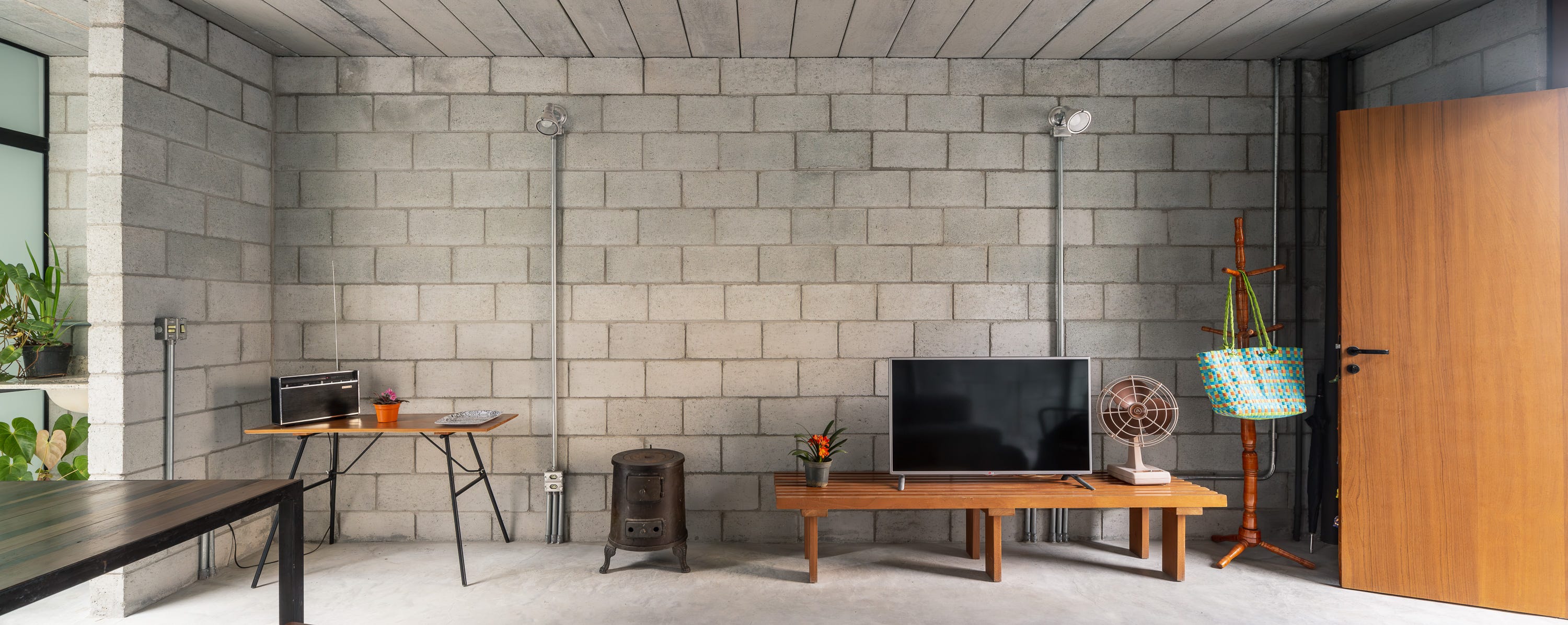
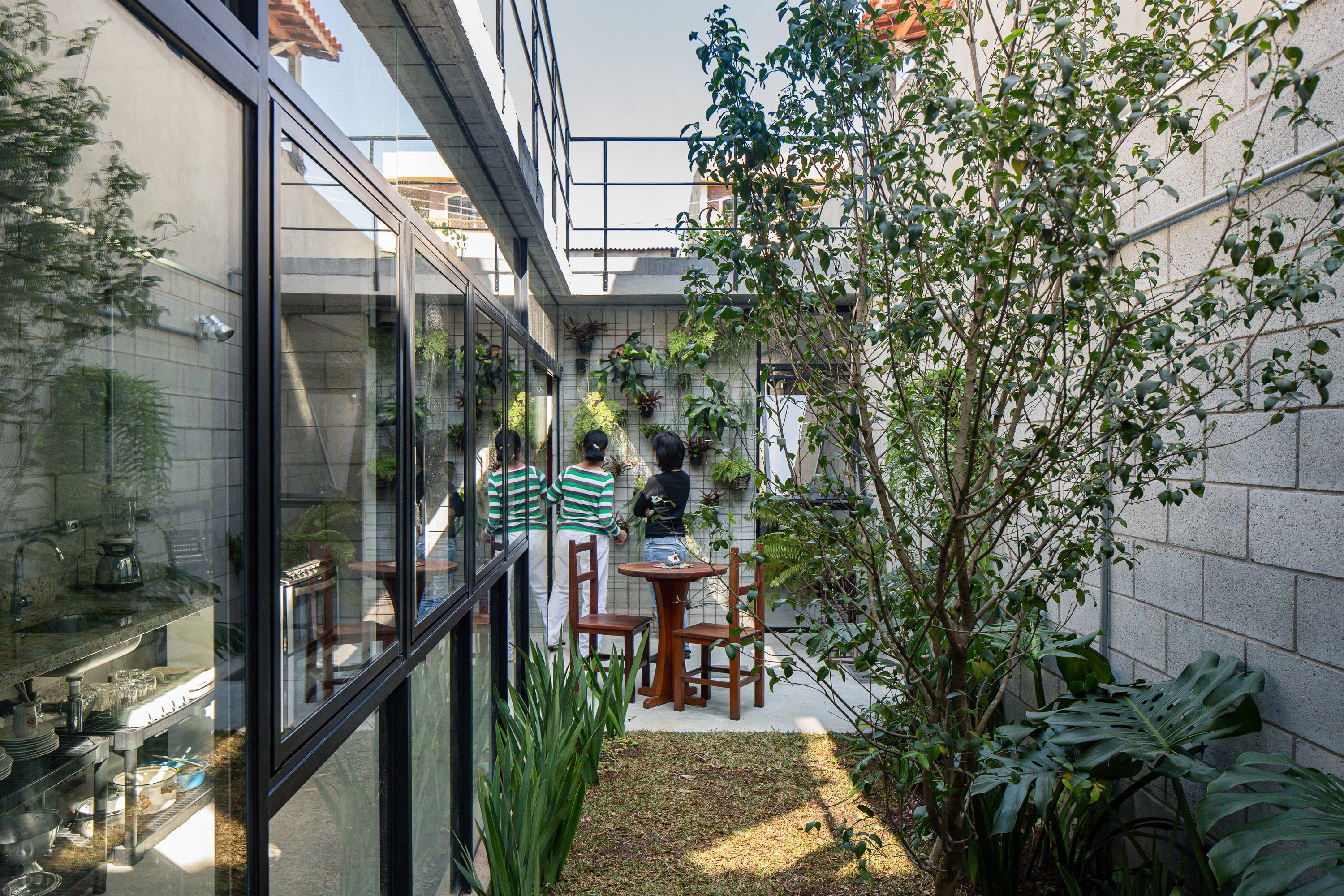
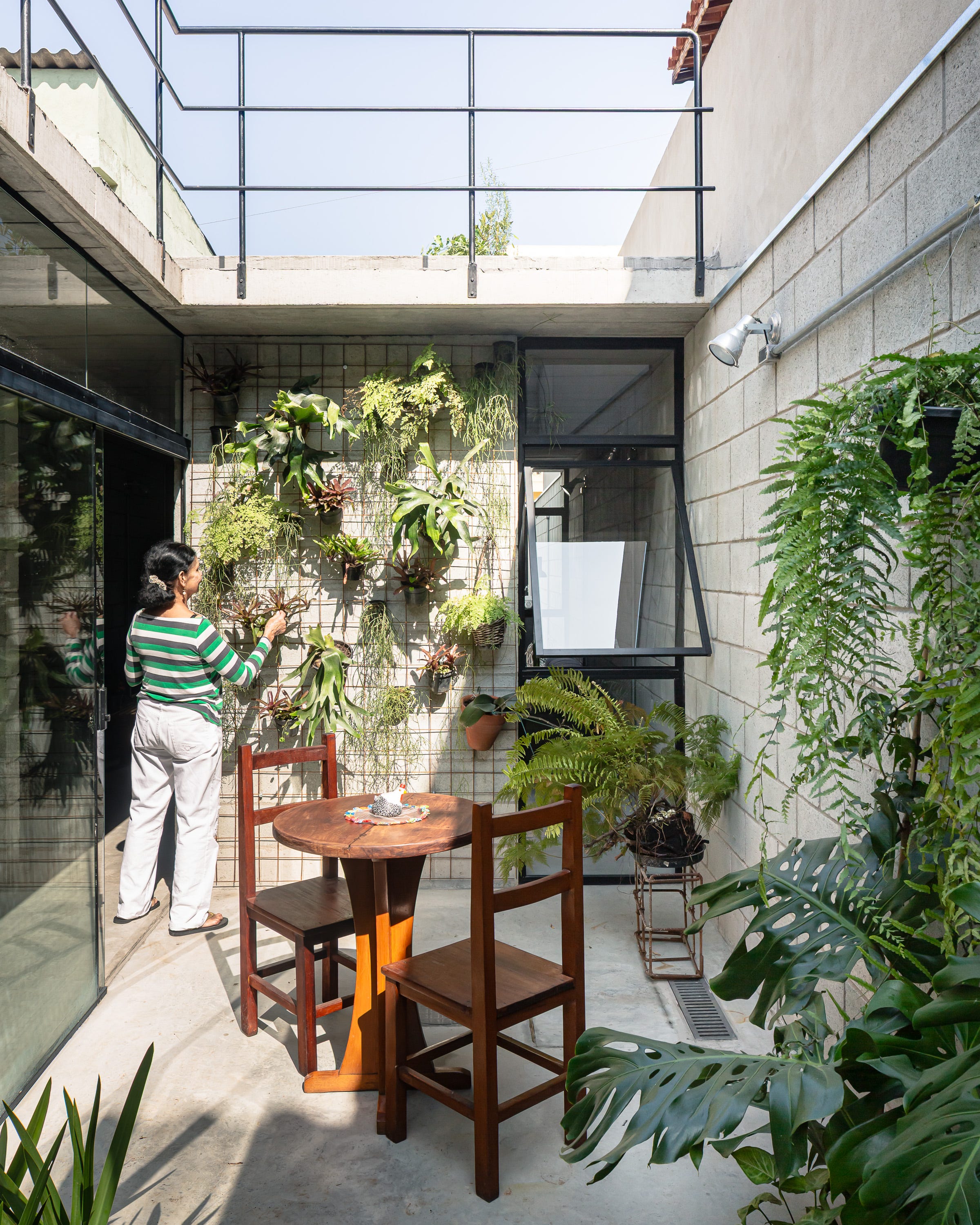
Algumas semanas atrás, os amigos do escritório de arquitetura Terra e Tuma me pediram um favorzinho. Queriam comemorar os 10 anos da publicação da Casa da Vila Matilde (que também ficou conhecida como Casa da Dona Dalva), um projeto emblemático para o escritório, para mim e em certa medida para a comunicação de arquitetura no Brasil. Para além dos prêmios e publicações, esse projeto ganhou um escopo muito mais abrangente do que a mídia arquitetônica consegue atingir.
Eles sugeriram que eu retornasse ao meu arquivo fotográfico e repensasse a edição e o tratamento das imagens, tal como eu havia feito para as fotos da Casa Maracanã. Naquela ocasião, escrevi:
Eu guardo absolutamente todos os arquivos fotográficos originais. Mesmo aquelas fotos que não deram certo, ou que foram preteridas na seleção final. O trabalho de edição/pós-edição é fruto de um momento específico, e ideias passadas podem ser revisitadas. Hoje edito melhor do que antes; hoje os softwares e algoritmos são melhores do que antes. De vez em quando, retorno a ensaios passados para ver se mudaria algo. Em analogia ao processo fonográfico, é como remasterizar um álbum antigo, com novas técnicas e equipamentos.
O ensaio da Casa Maracanã de @terraetuma, realizado em setembro de 2012, foi um dos mais publicados por aí (também é um dos que mais sofreu ataques de filtros de Instagram alheios…). Sempre gostei das imagens, mas com os anos percebi que deveria ter feito uma correçãozinha aqui, outro ajuste acolá. Nada muito grave: questões de cor e contraste, às vezes um recorte diferente. Voltei aos arquivos hoje e também descobri novas fotos, que adicionam na leitura do projeto. Não trago uma história nova, somente uma forma diferente de contar algo que vocês já conhecem.
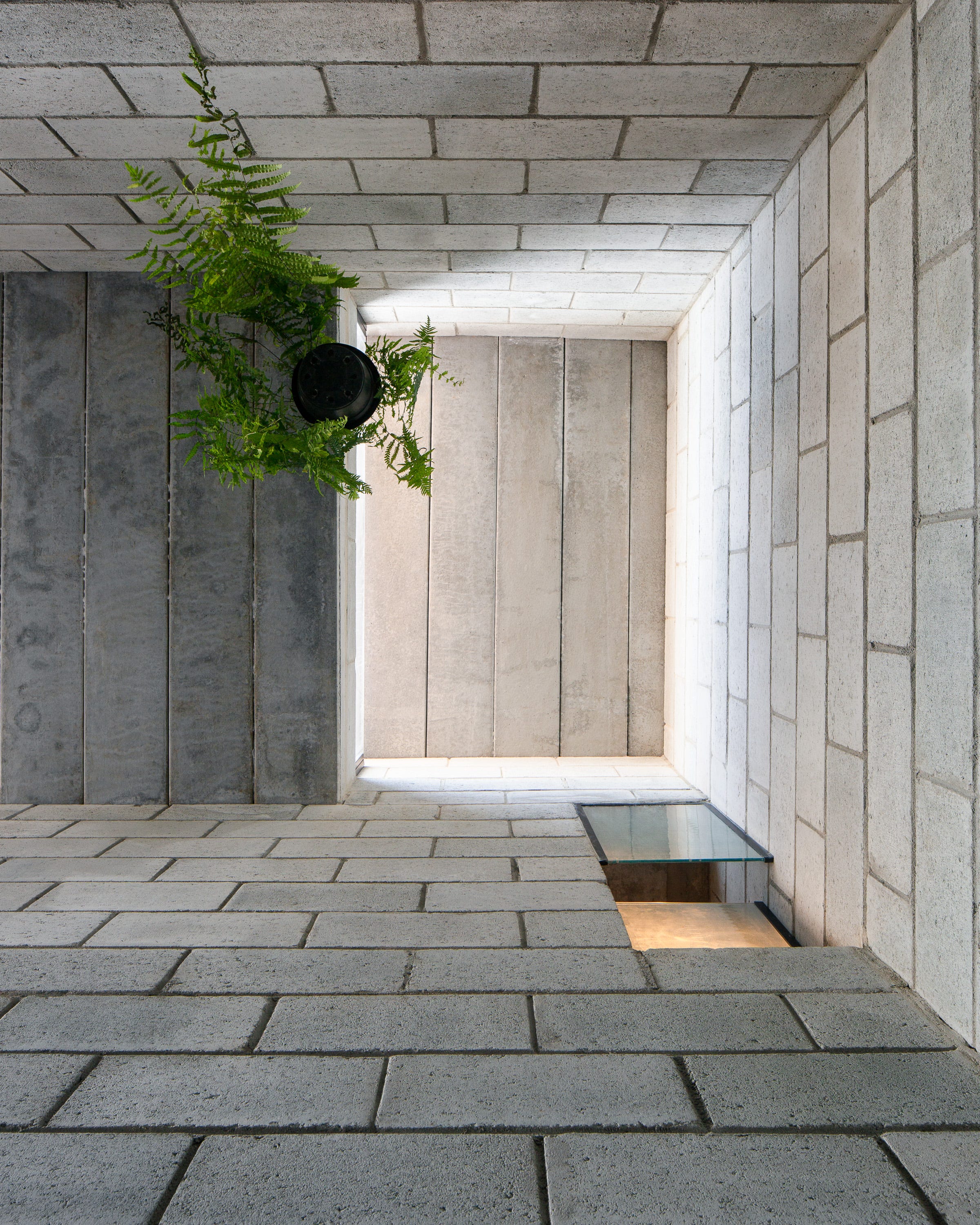
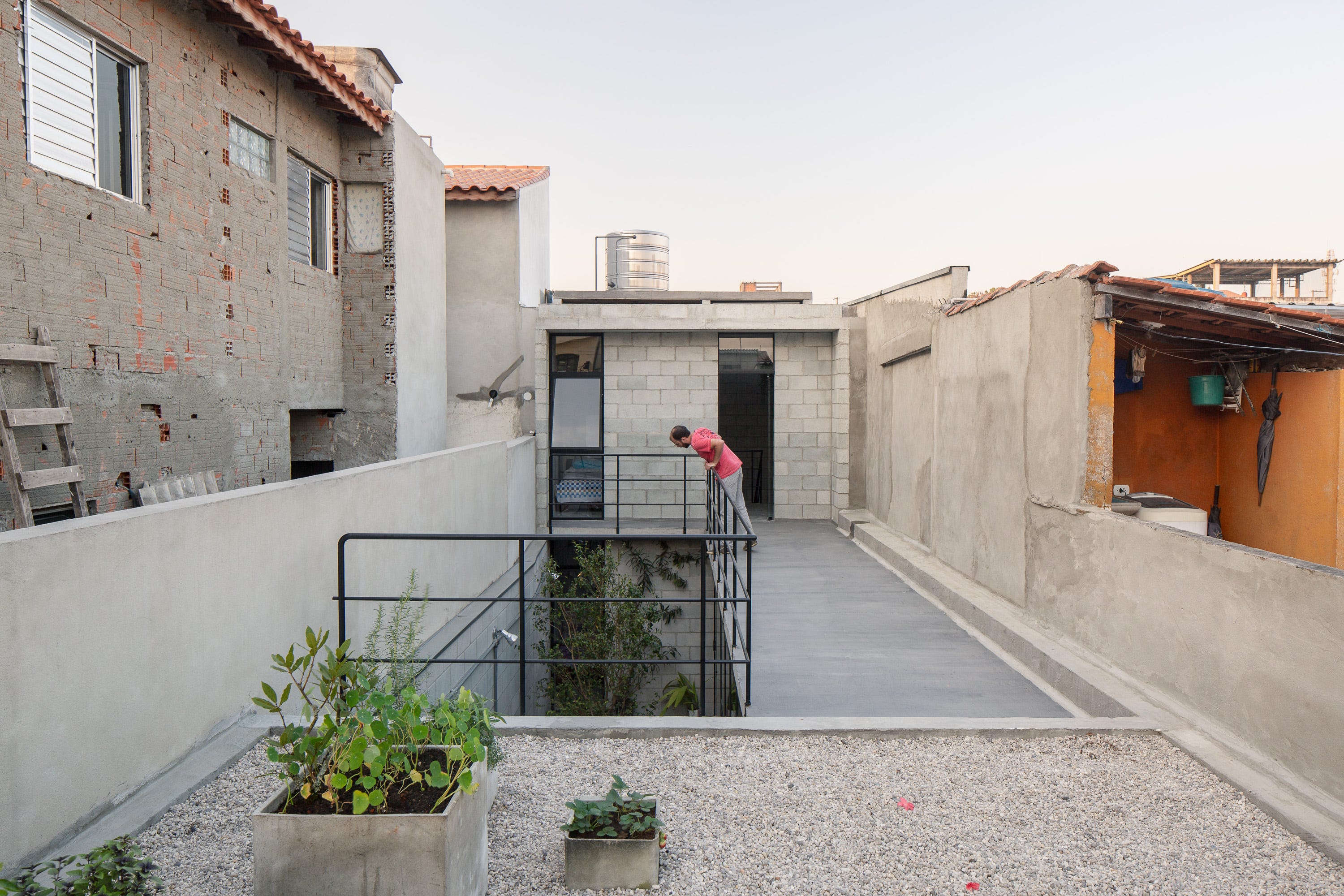
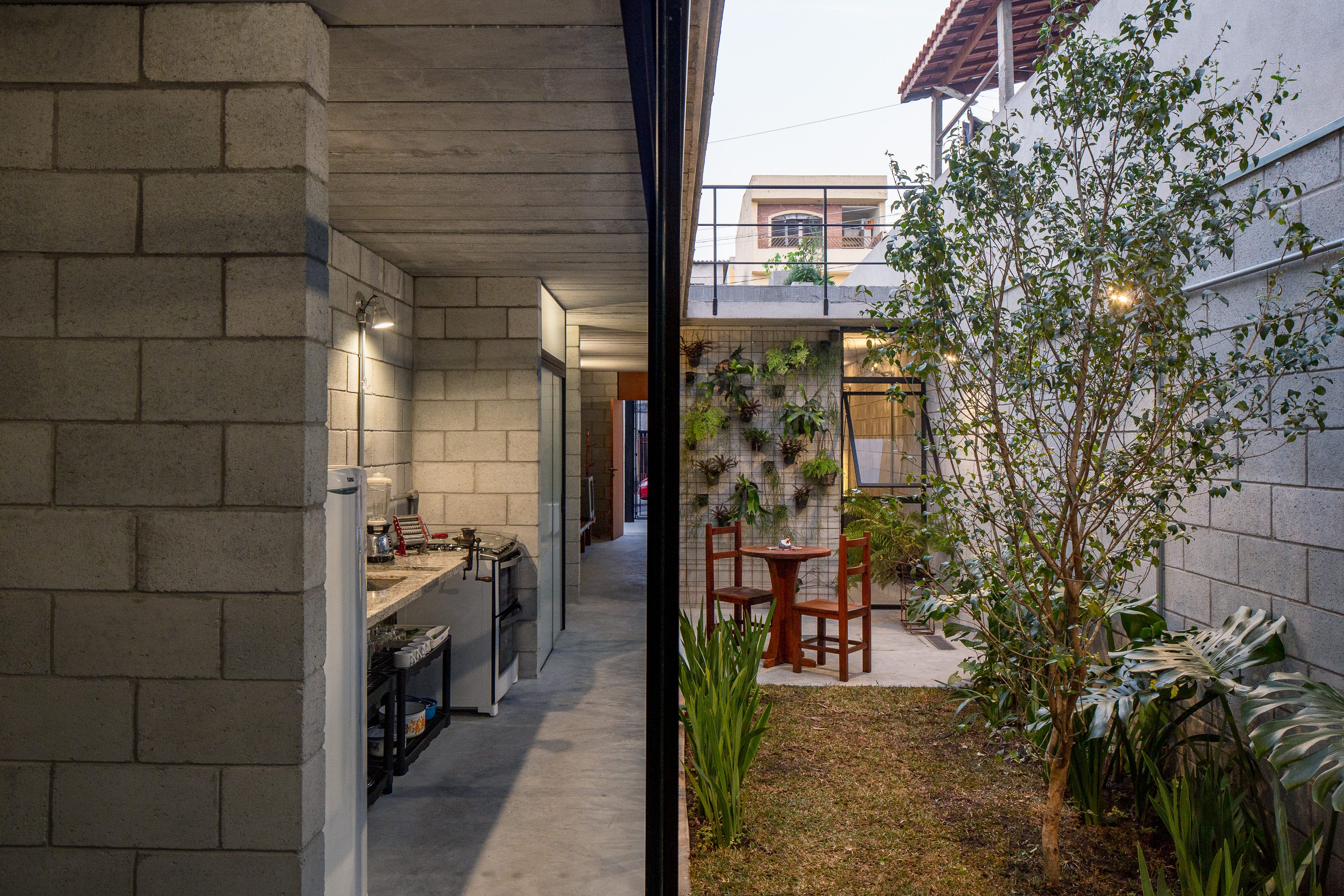
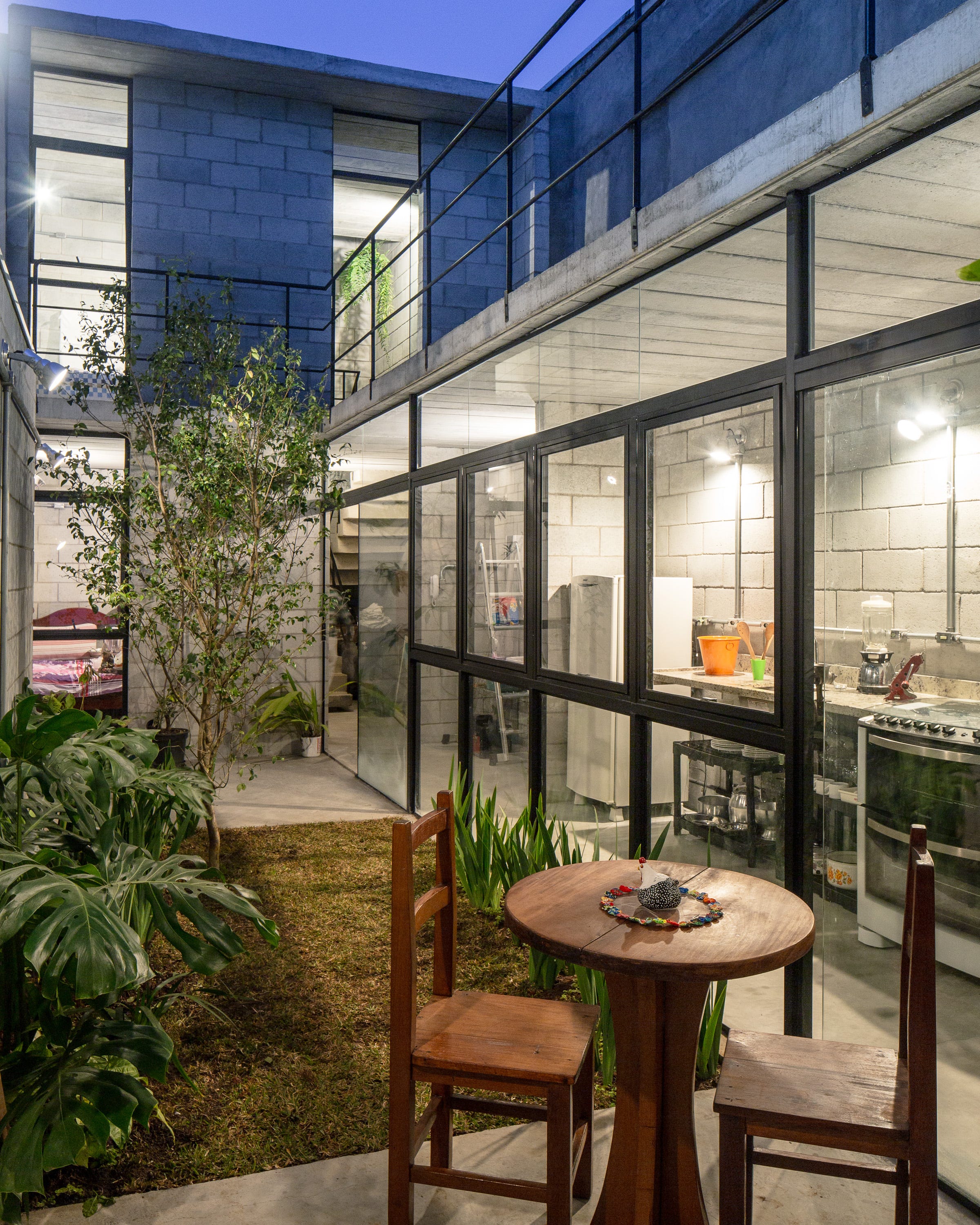
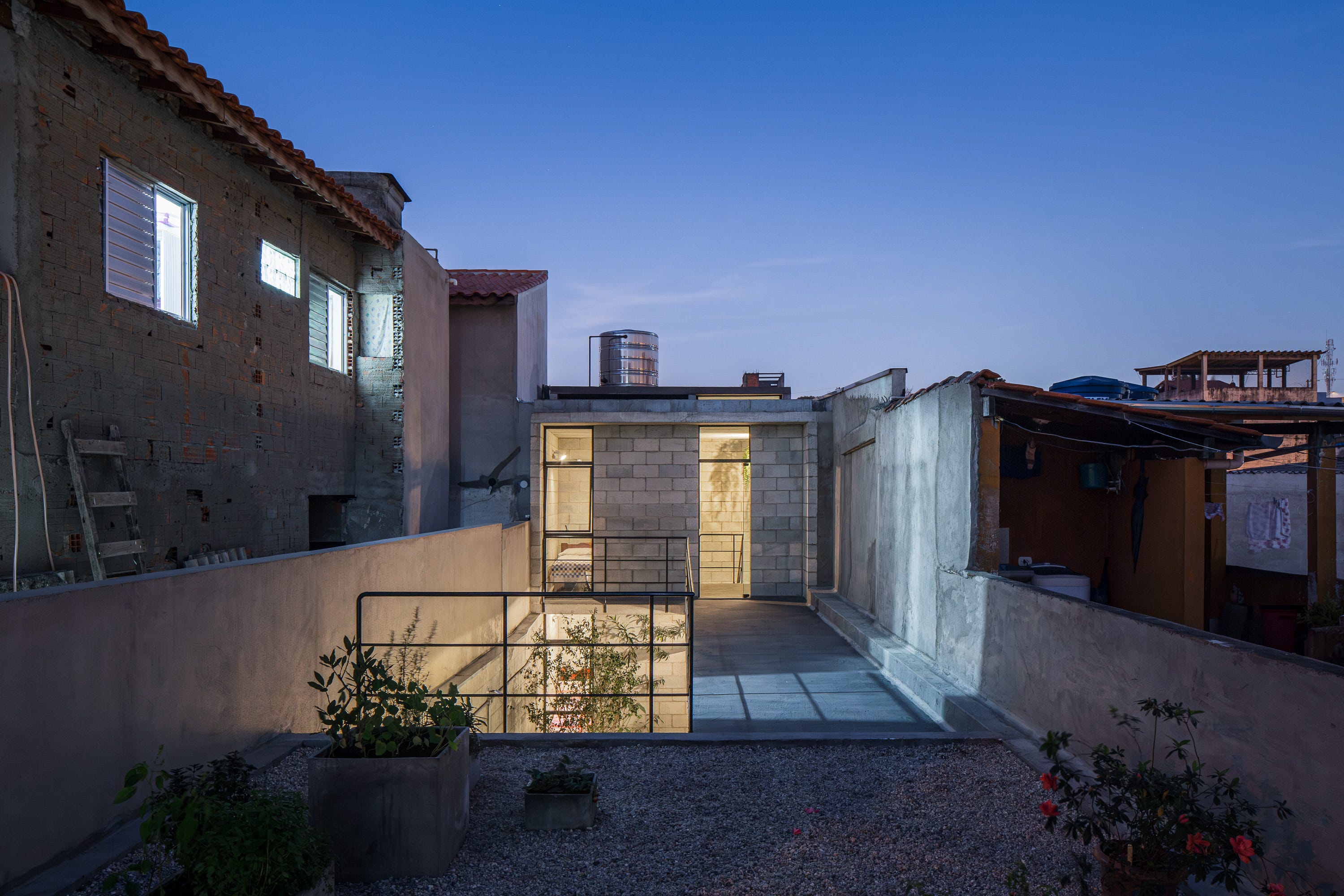
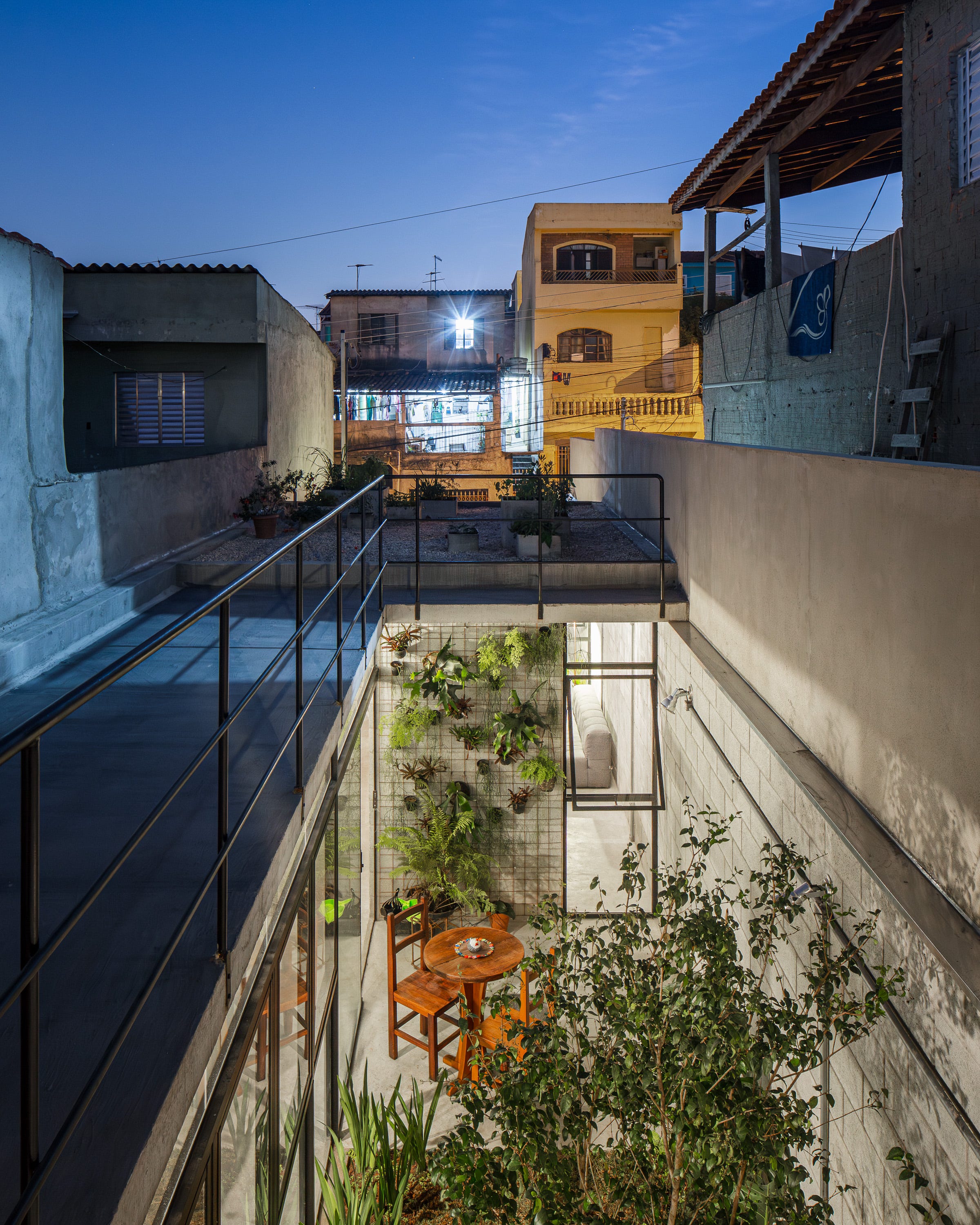
Aqui estão as fotos que muitos conhecem, com novos ajustes; mas há também fotos que nunca foram publicadas, e um novo recorte para o ensaio como todo. Me perguntam se eu fotografaria de maneira diferente, e a resposta é absolutamente sim, obviamente com certeza. Mas o olhar em retrospectiva é muito mais fácil.
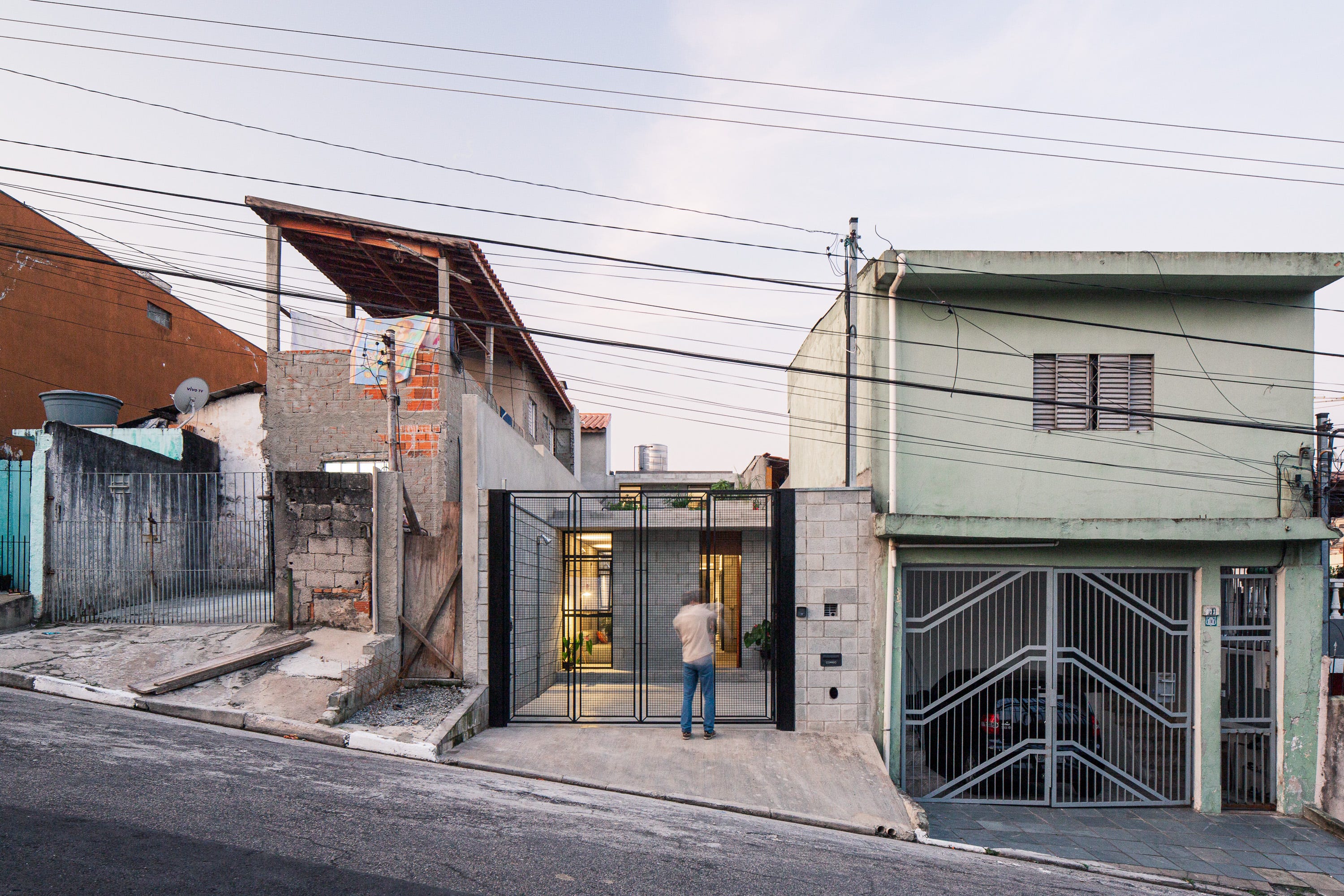
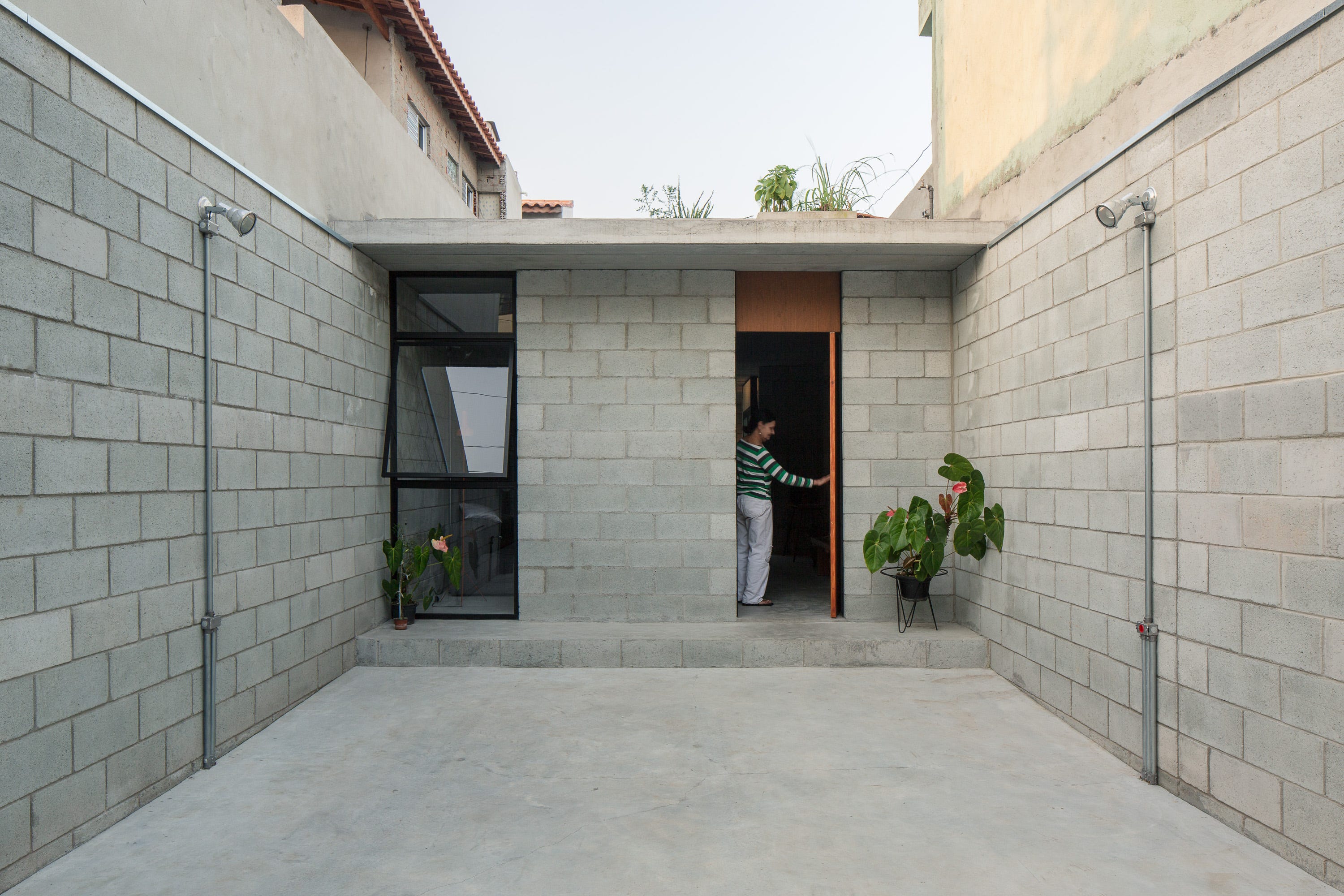
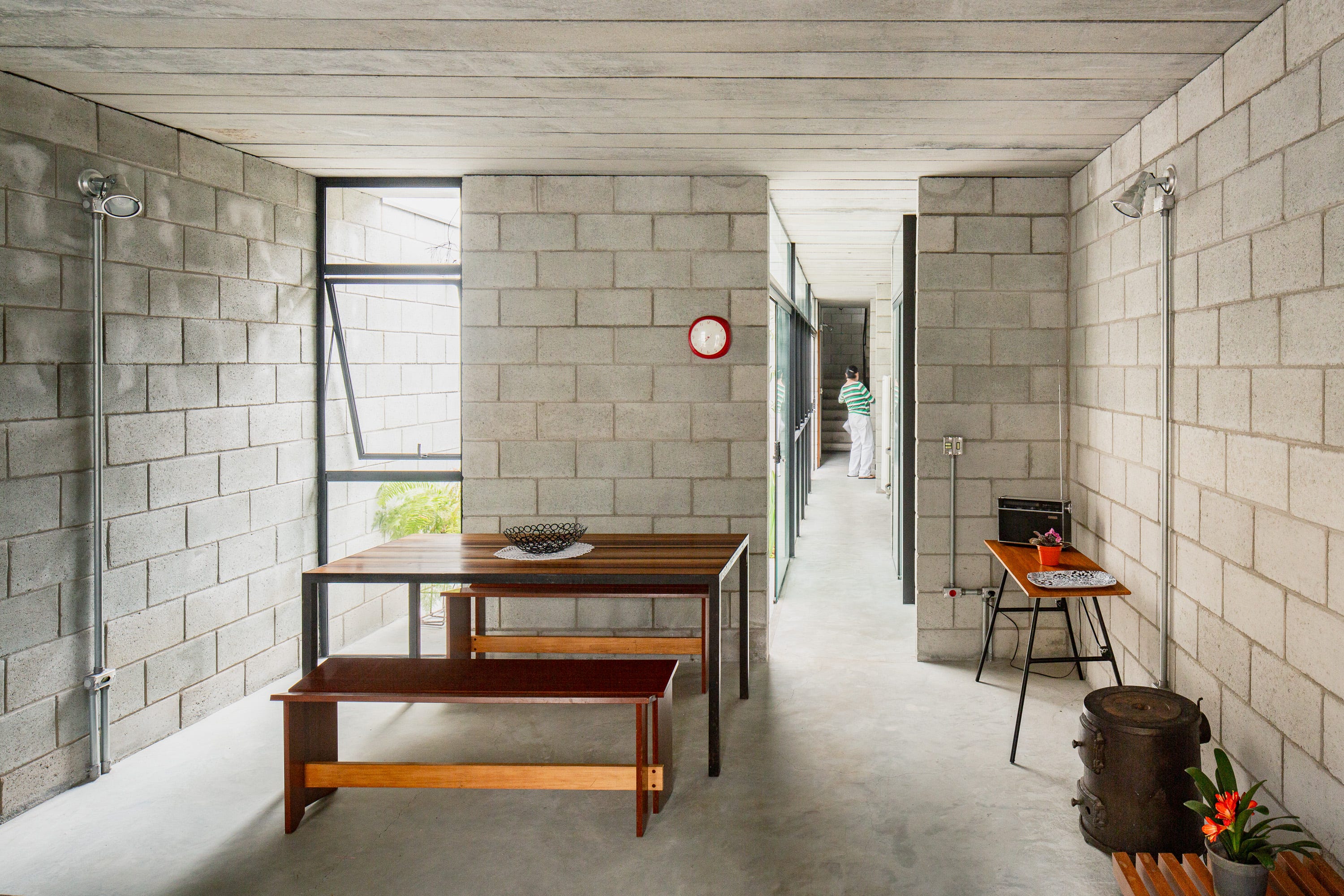
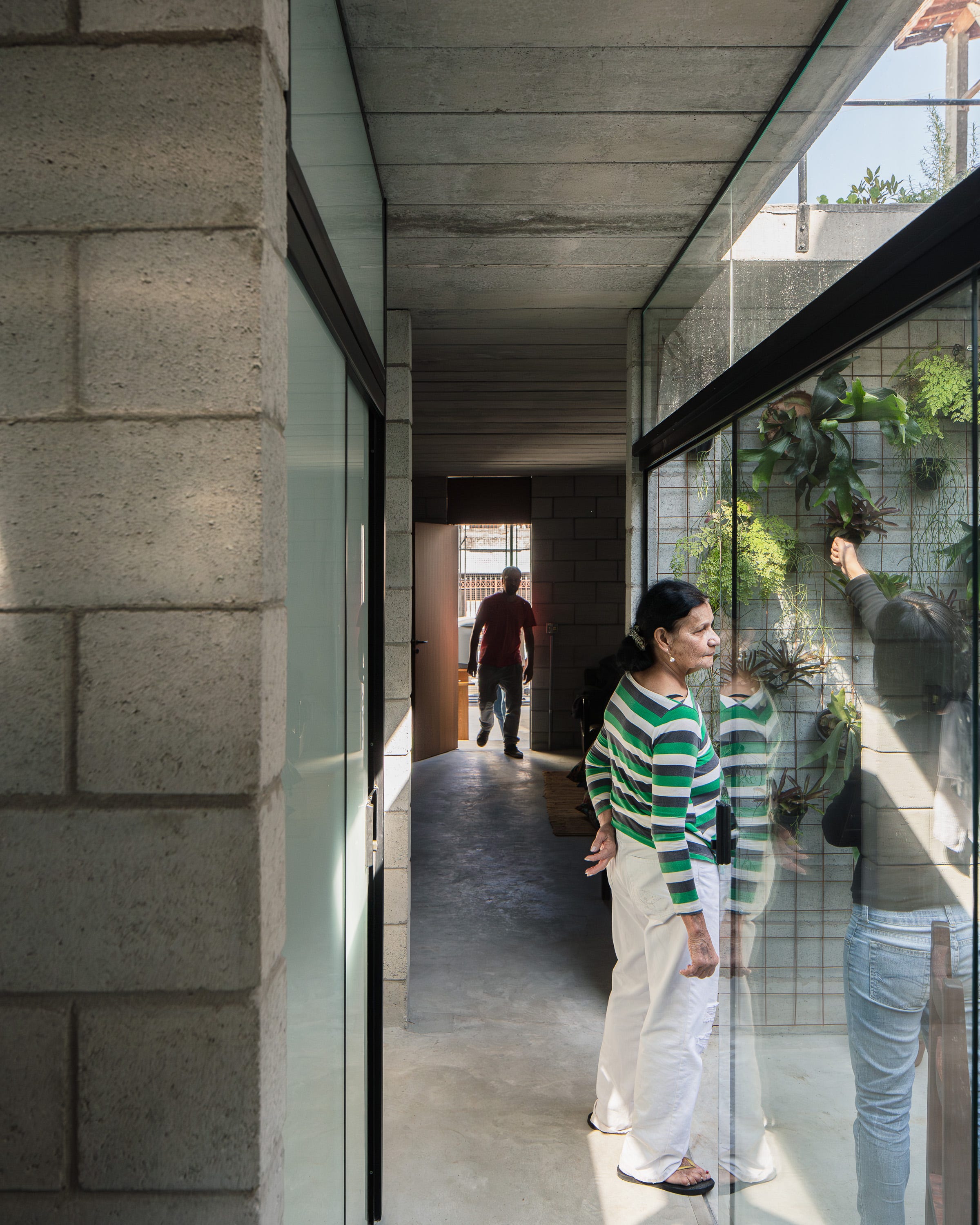
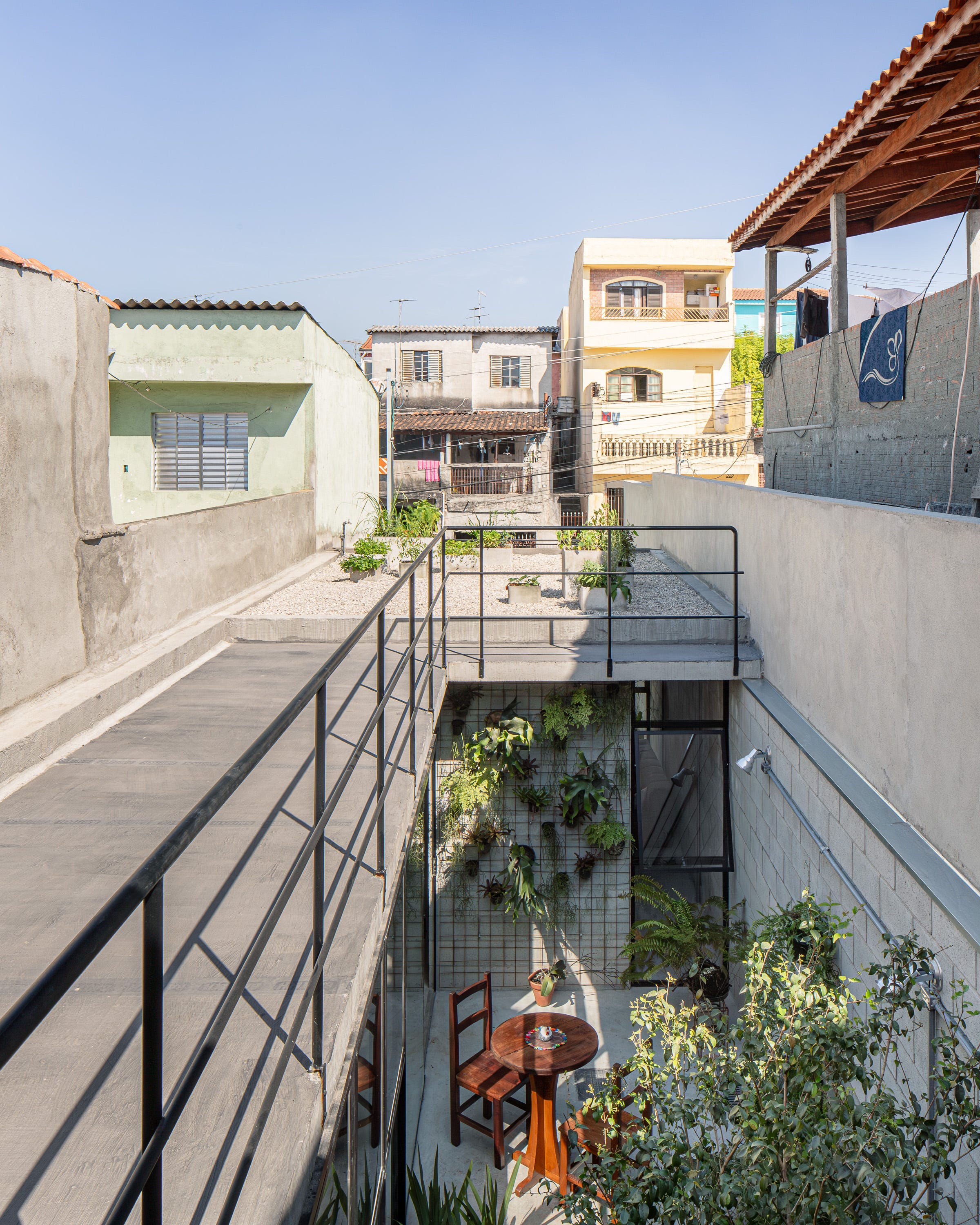
Em 2015, nós (os terraetumers e eu) havíamos fotografado alguns projetos que deram muito trabalho; obras que estavam quase prontas, meio prontas e sempre muito bagunçadas. Entendíamos que um esforço seria sempre necessário para deixar os espaços organizados a fim de ter uma clareza na leitura da arquitetura. Quando a casa da Vila Matilde ficou pronta, mantivemos nossos processos: teve uma arrumação, alguns móveis realocados ou trazidos para a sessão fotográfica, ajustes gerais. Fomos para lá na VW Variant do parente de alguém. Nada de outro mundo (e muito menos que o expediente de qualquer revista de decoração). O ensaio transcorreu super bem. A Dalva aparece sempre de maneira espontânea, pois eu nunca pedi para ela posar para a câmera.
Mas os dias e meses seguintes à publicação foram um pouco surreais. Assim que foi divulgada, viralizou. Tinha gente comemorando, usando como exemplo para defender pautas da esquerda, pautas da direita; pautas do modernismo, do assistencialismo e do niilismo. Pessoas que chamavam de Casa do Minecraft, de castelo medieval. Curador famoso criticando a prisão que ela acabara de construir. As fotos serviam para tirar conclusões absurdas e inusitadas.
A casa recebeu o prêmio do ArchDaily, Tomie Ohtake e muitos outros. 'A melhor casa do mundo' fica na Vila Matilde. Seguiram reportagens em vários os jornais, inclusive na Globo, brutalmente cedo. O CAU/BR elevou a Dona Dalva a personagem numa campanha que defende a contratação de arquitetos e seu retrato foi adesivado em ônibus e trens de metro. As fotos complementavam aquela narrativa maluca, meio fora de controle.
Os arquitetos contam que por muitos anos o telefone do escritório tocava sempre, com alguém do outro lado da linha entusiasmado com a casa mas sem entender direito as atribuições e serviços de um escritório de arquitetura. Raramente resultava numa contratação real de um projeto, sendo ainda mais excepcional sua execução de fato.
Hoje, penso que poderíamos ter intervido menos nos espaços para realizar as fotos. Deixado estar, e fotografar assim mesmo. Hoje eu sou muito pouco intervencionista nos espaços que trabalho. Por outro lado penso: e se foi justamente aquelas decisões de 2015 que permitiram o grande alcance do ensaio? Depois de tantos anos, são as fotografias que ainda permanecem no âmbito público. Tem algum valor nisso. Gosto das imagens; com os novos ajustes, hoje um pouquinho mais.
Obrigado por chegar até aqui! Um dos desafios desta newsletter é alcançar novos leitores sem depender dos algoritmos. Se você gostou do conteúdo, compartilhe o link com amigos ou em grupos de WhatsApp. E, se quiser trocar uma ideia, é só responder a este e-mail — vou adorar receber sua mensagem!
In English
Vila Matilde – or Ms. Dalva's – House, by Terra e Tuma Arquitetos.
Once a month, I’ll revisit a photo essay from my archive, commenting on it and expanding the context in which it was produced and published.
A few weeks ago, my friends at the Terra e Tuma architecture office asked me for a little favor. They wanted to celebrate the 10-year anniversary of the publication of the Vila Matilde House (also known as Dona Dalva’s House), a project that has become emblematic for their office, for me, and— to some extent—for architectural communication in Brazil. Beyond the awards and publications, this project took on a much broader scope beyond architectural media.
The architects suggested I revisit my photo archive and rethink the editing and post-processing of the images, just as I had done with the photos of Casa Maracanã. At the time, I wrote:
I keep absolutely all the original photo files. Even the ones that didn’t work out, or that were left out of the final selection. Editing and post-editing work is the product of a specific moment, and past ideas can be revisited. Today, I edit better than I used to; today’s software and algorithms are better than they used to be. From time to time, I return to past shoots to see if I’d do anything differently. It’s like remastering an old album with new techniques and equipment.
The shoot of Casa Maracanã, from September 2012, was one of the most widely published (and also one of the most heavily filtered by random Instagram accounts…). I’ve always liked those images, but over the years I realized I should’ve fixed a detail here, made an adjustment there. Nothing major: color and contrast tweaks, sometimes a different crop. Today I went back to the files and also found new photos that enrich the reading of the project. It’s not a new story I’m telling—just a different way of presenting something you already know.
Here are the photos many of you have seen, now with new edits; but there are also images that have never been published, and a new framing of the photo essay as a whole. People ask me if I’d shoot it differently today, and the answer is: absolutely yes, obviously for sure. But hindsight is always 20/20.
In 2015, we (the Terra e Tuma folks and I) had photographed a few projects that were a real challenge: houses that were almost finished, half-finished, and always very messy. We understood that it always took a certain effort to organize the spaces in order to clearly convey the architecture. When the Vila Matilde house was completed, we kept to our usual process: there was tidying up, a few pieces of furniture moved or brought in for the shoot, general adjustments. We drove there in a relative’s VW Variant. Nothing out of the ordinary (and far less than what any decor magazine would do). The shoot went super smoothly. Dalva appears in the photos spontaneously, as I never asked her to pose for the camera.
But the days and months after the publication were a bit surreal. As soon as it went live, it became viral. People celebrated it, using it to support left-wing agendas, right-wing agendas; modernist arguments, social-welfare arguments, even nihilist ones. Some called it the Minecraft House, others a medieval castle. A famous curator criticized it for the prison she had just built. The photos were used to draw absurd and unexpected conclusions.
The house won awards from ArchDaily, Tomie Ohtake, and many others. “The best house in the world” was in Vila Matilde, São Paulo. There were reports in various newspapers and brutally early in the morning TV shows. The Council of Architecture made Dona Dalva the face of a campaign promoting the hiring of architects, and her portrait was printed on buses and subway trains. The photos helped shape that wild, slightly out-of-control narrative.
The architects say that for years, the office phone rang constantly, with someone on the other end excited about the house—but with no real understanding of what an architecture firm actually does. Rarely did it result in a real commission, and even more rarely in an actual built project.
Today, I think maybe we could have interfered less in the spaces for the photos. Let things be, and shoot them as they are. I’m much less interventionist now in the spaces I work in. But then I also think: what if it was precisely those decisions in 2015 that allowed the essay to reach so many people? After all these years, the photos are what remain (publicly, that is). That has some value. I like the images; and with the new adjustments, I like them a little more today.